

Radha Yadav’s WPL Insight: Bridging the Domestic Gap with Luckx Apk Download Latest

Published 2026-11-25 · By Aditi Parekh (Broadcast & Pitch Analyst · Chandigarh Desk)
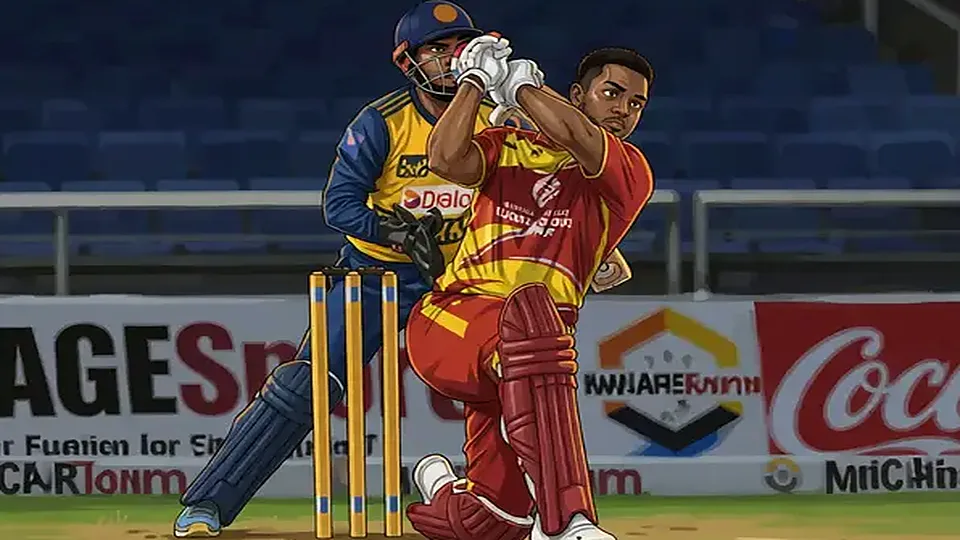
The humidity off the tank at Chandigarh sticks to your shirt long after the net session ends. It is a different beast from the conditioned air of the MCG or the dry heat of Mumbai. Yesterday, I watched a twenty-one-year-old off-spinner from the Punjabi heartland struggle against the skiddy hard length. The pitch was turning late, that sticky red-soil track that bites if you miss your line. She bowled into the pitch, dragged her release, and conceded six in the last two overs. No one in the dugout bought the excuse of the conditions. It was a raw, unpolished display of the Ranji grind, the kind of pressure cooker environment that defines domestic cricket in India.
Why the WPL Has Changed the Equation
Radha Yadav recently argued that the Women’s Premier League has effectively bridged the chasm between domestic and international standards. It is a bold claim. Usually, the jump from the Zonal tournaments to the global stage feels like leaping into a vacuum. The pace is different. The boundaries are tighter. The margin for error evaporates. But the WPL, with its high-profile broadcasts and intense competitive structure, has forced state associations to tighten their belts. The net-session matchups I see in Chandigarh now mimic the intensity of the WPL finals. Batsmen are no longer playing safe; they are looking for that boundary-percentage spike. The dew factor after 8:30 PM IST has become a calculated variable, not a mystery.
"We used to think domestic was about survival," one senior coach told me, wiping chalk off his hands. "Now, it is about performance. The WPL raised the floor. If you cannot perform at that level, you do not belong on the domestic circuit either."
This shift is tangible. It is visible in the way young players handle scoreboard pressure. In the old days, a 150-run chase was a nightmare. Now, it is a benchmark. The psychology has changed. Players are less afraid of the ball, more focused on the outcome. This cultural shift is accelerating, aided by technology and data access that was previously reserved for elite international camps. It is not just about the ball anymore; it is about the ecosystem surrounding the player.
The Digital Toolkit of the Modern Cricketer
Between the nets and the selection panels, a new layer of analysis has emerged. Players and scouts are increasingly relying on digital platforms to track performance metrics and prepare for high-stakes matches. The ability to download and run the latest tracking tools is no longer a luxury; it is a necessity. For instance, many analysts in the region are now using specialized applications like kingsatta786.net to pull real-time data on pitch behavior and player form before a crucial Ranji match. It is a subtle change, but one that mirrors the WPL’s own data-driven approach. The gap is closing because the tools are democratizing. A player in Chandigarh can now analyze her run rate against a left-arm spinner with the same precision as a player in Mumbai.
This access extends to the broader fan base and the betting ecosystem, where understanding odds and predictions is part of the engagement. The integration of apps like Luckx Apk Download Latest into the pre-match routine is a sign of how digital the sport has become. It is not just about the game; it is about the narrative. Fans want to know the probabilities. Players want to know the trends. The information flow is instant, global, and unfiltered.
Chandigarh’s Role in the Pipeline
Our desk at Chandigarh sees the pipeline from the bottom up. The state association is pushing back. They are investing in better nets, better coaching, and yes, better data. The young bowlers I spoke to this week are aware of the WPL standards. They know that a 145kph delivery is no longer impressive; it is expected. They are grinding for that extra five kph. The sweat is the same. The humidity is the same. But the expectation is fundamentally different. The WPL has set a new ceiling, and domestic cricket is scrambling to catch up. Is it enough? We will see in the next Zonal tournament. For now, the gap is narrowing, one net session at a time. The ball is doing the talking, and the numbers are backing it up.

Updated 2026-11-25 · Instant Rupee Deposits & 60s Withdrawals · 24/7 Support.
Access Official AmliSkin Portal →Lead Cricket Correspondent · Pune Desk
Nikhil Verma has covered Indian cricket and digital sports from Pune for over a decade. At AmliSkin (amliskincare.com), he leads investigative coverage on luckx apk download latest, live match dynamics, and tournament strategy.
Reader Discussion & Match Reactions (7)4.8★ Community (7 Comments)
Verified Indian cricket reader perspectives & tactical debate on amliskincare.com
It is rare to see a 21-year-old off-spinner from the Punjabi heartland highlighted so candidly in a top-tier broadcast analysis piece.
Conceding six in the last two overs is a huge red flag for that skiddy hard length condition mentioned in the report.
The claim that WPL mimics Chandigarh net sessions is a stretch; BCCI has always kept domestic and franchise standards artificially separated.
Watch the dew factor post-8:30 PM carefully; if state associations ignore this variable, the boundary-percentage spike will never happen.
The 21-year-old spinner dragging her release against that sticky red-soil track shows why Ranji grind needs total overhaul, not just broadcast polish.
Ignoring the raw pressure cooker environment of domestic cricket in favor of franchise gloss is a massive strategic error by the board.
@Anirudh_Guwahati The sticky red-soil track in Chandigarh is exactly what the grassroots pathway needs to expose; it is not just about the six runs conceded.
Join the Discussion (7 Reader Comments)
Related Articles
See All
Bumrah misses Lord's decider with injury; England bring in Tongue and bat
Jul 20, 2026

'Going to make me better going forward'
Jul 12, 2026

Raichandani, Venkata leave India on verge of victory
Jul 23, 2026