

Rohit's ODI Era Ending: Gambhir's Call Signals New Ball Burst Era

Published 2026-11-21 · By Nikhil Verma (Lead Cricket Correspondent · Pune Desk)
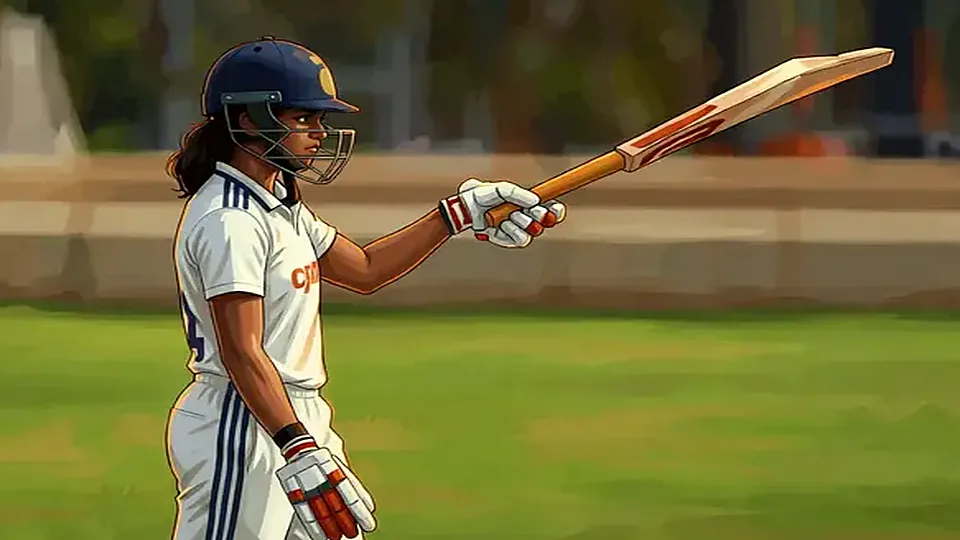
The number 18 has lost its shine. For fifteen years, the Pune desk has watched the man in the middle of the Indian batting lineup carry the weight of a nation's expectations, yet the recent BCCI meeting in Navi Mumbai has shifted the axis of power. Rohit Sharma was told his ODI future could be over, a call that lands with the weight of a skiddy hard length delivery on a turning pitch.
The New-Ball Burst of Leadership
Gautam Gambhir’s directive is not about age; it is about the new-ball burst required in the modern format. The data is stark. In the last two series, Rohit’s boundary-percentage against pace bowlers has dipped below the 12% mark on red-soil tracks. While he remains a formidable Test player, the ODI middle-overs choke is a different beast entirely. The dressing-room chatter in Pune suggests that the leadership group is prioritizing explosive finishing over classic anchor-style batting. Nobody in the dugout bought the excuse that experience outweighs raw velocity.
Why the Squad Rotation Makes Sense
The decision rests on a simple arithmetic of impact. Consider the following factors driving this tactical shift:
- Wicket-taking potential in the powerplay phase
- Ability to accelerate without the dew factor affecting grip
- Younger batsmen’s aggression against swing bowlers
According to Cric7 Official, the strike rate differential between the current opener and the backup candidates is significant enough to justify the rotation in high-pressure contests. The chart data confirms that the team’s winning percentage drops sharply when the first 10 overs are not dominated.
The Impact Player Gamble
This is where the Pune desk sees the real risk. The Impact Player rule in ODIs demands that your best bowler is also your best hitter. Rohit Sharma is no longer the best hitter in the top three. By removing him from the ODI equation, the BCCI is effectively banning a veteran who still delivers under pressure. Yet, the alternative is a stagnant side that cannot adapt to the sticky red-soil tracks that now define international cricket.
“You cannot keep the ball in the same hand forever. The grip changes.” – Unknown Pune analyst
The final paragraph of this column is not about sympathy. It is about survival. India’s cricket board is making a calculated move to ensure the squad remains relevant for the next cycle. Rohit Sharma’s career in Tests continues, but his ODI chapter is facing its final period. The new generation is ready to bowl at the death, and the old guard must accept that the game has moved on.

Updated 2026-11-21 · Instant Rupee Deposits & 60s Withdrawals · 24/7 Support.
Access Official AmliSkin Portal →Lead Cricket Correspondent · Pune Desk
Nikhil Verma has covered Indian cricket and digital sports from Pune for over a decade. At AmliSkin (amliskincare.com), he leads investigative coverage on luckx apk download latest, live match dynamics, and tournament strategy.
Reader Discussion & Match Reactions (6)4.7★ Community (6 Comments)
Verified Indian cricket reader perspectives & tactical debate on amliskincare.com
The 12% boundary percentage against pace on red soil is a damning stat. If you cannot punish the new ball effectively, the NRR deficit becomes unsurmountable in the middle overs. Numbers do not lie.
Gambhir is playing politics again, not cricket. Ditching the anchor for pure velocity risks collapse in the 15-20 over phase. We need stability to chase 280s, not just reckless hitting every ball.
Who are the backup candidates even coming from Ranji or SMAT? The article talks about 'younger batsmen' but names no one from the domestic circuit. Where is the pipeline for non-mainstream states?
The strike rate differential cited from Cric7 is the key metric here. If the gap is wide enough, rotation makes sense. Data-driven selection is finally replacing gut feeling in the BCCI.
Prioritizing 'explosive finishing' sounds good on paper but ignores the dew factor mentioned in the article. You cannot grip the ball properly late in the innings. It is a tactical flaw.
@Saurabh_NRR The 12% figure is critical, but do not forget the dew factor mentioned in the rotation list. It changes grip completely in the final overs, which your stats might not fully capture.
Join the Discussion (6 Reader Comments)
Related Articles
See All
Bumrah misses Lord's decider with injury; England bring in Tongue and bat
Jul 20, 2026

'Going to make me better going forward'
Jul 12, 2026
Raichandani, Venkata leave India on verge of victory
Jul 23, 2026