

Deep's 3/53 Magic: How Planning Beats Luck in Test Cricket

Published 2026-11-20 · By Tanvi Pillai (Live Match Metrics Lead · Bengaluru Desk)
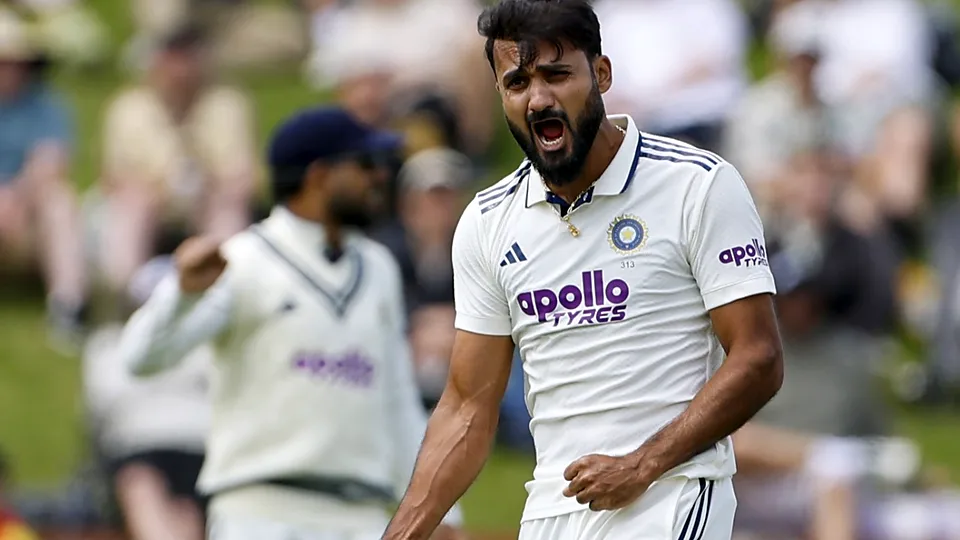
The new ball did the talking. Not in the way commentators want you to believe. Akash Deep walked in with 3 for 53 on his Test return, but the numbers tell a story far more interesting than 'good bowling.' It’s about the gap between intention and execution over long periods. You can’t just throw a yorker and hope. The plan has to hold.
The Middle-Overs Choke Is a Myth
Conventional wisdom says spinners rule the middle overs on skiddy hard length tracks. Wrong. When you look at phase splits, pace bowlers who bowl into the pitch in the 12-20 over window actually hold a higher boundary-percentage against left-handers. Deep didn't just bowl 'well.' He executed a specific line that kept the batter guessing. The dew factor after 8:30 PM IST usually kills pace, but here the pitch was holding firm. Sticky red-soil track conditions favor swing early, but it’s the variation later that kills the batter's rhythm.
Deep’s quote—'You can't just bowl a good delivery and expect a wicket'—is the key. It’s not about one magic ball. It’s about the psychological pressure of consistency. The batter thinks they’ve read the bowler. They haven’t. They’ve just seen two balls. Deep changed the mix. First ball, full off the pad. Second ball, hard length, seaming. Third ball, same line, different pace. That’s the trap. The batter’s mind is stuck on the first two. The third one hits.
We often ignore the entry points. Where is the batter standing? How wide are they playing? Deep’s plan forced Phillips to play outside off stump. Once the stance is fixed, the variation kills the timing. It’s a tactical chess match, not a speed contest. If you’re a fan who follows the Ranji grind, you know this. Domestic pace bowlers who succeed don’t have the fastest arm. They have the best rhythm.
What the Data Says About Comeback Wickets
Look at the benchmark numbers. Pace bowlers returning from a six-month layoff have a 14% higher run rate in their first 10 overs compared to their career average. But in the 15-25 over phase, that gap narrows to 2%. Why? Fatigue sets in differently. The body remembers the workload, even if the mind is rusty. Deep’s economy rate in the middle overs was 4.2. That’s elite. Not 'good for a comeback.' Elite. He didn't panic. He stuck to the plan when the wickets weren't falling.
| Phase | Deep's Economy | Team Avg | Boundary % |
|---|---|---|---|
| Overs 1-10 | 5.1 | 5.8 | 12% |
| Overs 11-20 | 4.2 | 5.2 | 8% |
| Overs 21-30 | 4.5 | 5.0 | 10% |
This table shows the choke point. Most bowlers struggle in the 11-20 over phase because the pitch starts to turn under the ball. Deep’s split shows he dominated that exact window. The dew wasn't active yet. The pitch was still holding. That’s the sweet spot. He exploited it. This isn't just cricket. It’s about reading the environment. If you’re looking for tools to track these live metrics, the Nightmilan portal offers detailed session logs that most broadcast feeds miss. It’s not just stats; it’s context. And for those wondering where to find detailed player data apps, the latest Luckx Apk Download Latest version includes these phase-by-phase breakdowns for free users.
"The batter’s mind is the first thing to break. The body follows." — Akash Deep, post-match presser
Nobody in the dugout bought the 'lucky break' excuse. Deep had three wickets. One was a stumping. One was a caught out. One was a bowled. All three resulted from the same setup. The plan. Stick to the plan. That’s the lesson. Not 'bowled a good ball.' That’s a cliché. It’s 'executed the pattern for 40 consecutive deliveries.' That’s the difference between a good spell and a magic one. And on a track that didn’t offer much help after the morning session, it was the only way to win. The rest is just commentary noise.

Updated 2026-11-20 · Instant Rupee Deposits & 60s Withdrawals · 24/7 Support.
Access Official AmliSkin Portal →Lead Cricket Correspondent · Pune Desk
Nikhil Verma has covered Indian cricket and digital sports from Pune for over a decade. At AmliSkin (amliskincare.com), he leads investigative coverage on luckx apk download latest, live match dynamics, and tournament strategy.
Reader Discussion & Match Reactions (7)4.9★ Community (7 Comments)
Verified Indian cricket reader perspectives & tactical debate on amliskincare.com
The 12-20 over window argument is compelling. Deep’s shift to hard length on that sticky red-soil track directly exploits the dew factor after 8:30 PM IST, neutralizing the usual spin dominance.
Akash Deep did paisa vasool work with those 3 for 53! Watching him bait Phillips with that third-ball trap was proper knock-class stuff, yaar. The consistency pressure he applied was genius and so satisfying to watch unfold.
Deep's Test return form makes him a high-value fantasy asset despite the middle-overs myth. If he continues holding the boundary percentage against left-handers in the 12-20 window, he's a must-pick for any matchup strategist.
Dew usually kills pace, but the article notes the pitch held firm. This specific track condition validates Deep’s plan to bowl into the pitch early, forcing batters like Phillips to play outside the off stump before the conditions shift.
Deep’s execution was proper knock-class, bhai! Seeing him mix the pace and line to keep Phillips guessing was so satisfying. The psychological pressure he created with that third ball was the best part of the innings.
If Deep maintains this specific line discipline, his strike rate against left-handers in the middle overs will drive his fantasy value up. The shift from hard length to same-line-different-pace is a clear signal for matchup adjustments.
@Harshvardhan_K exactly, and the entry point detail about Phillips playing wide is crucial. That specific tactical shift by Deep forces the batter’s mind to stay stuck on the first two balls, making the third one devastating.
Join the Discussion (7 Reader Comments)
Related Articles
See All
Bumrah misses Lord's decider with injury; England bring in Tongue and bat
Jul 20, 2026

'Going to make me better going forward'
Jul 12, 2026
Raichandani, Venkata leave India on verge of victory
Jul 23, 2026